


The Psychology of Casino Odds and Player Perception
The allure of a casino often stems from the perceived opportunity to achieve favorable odds and secure a win. This perception is heavily influenced by psychological factors, where players tend to focus on potential gains while downplaying the inherent statistical disadvantages. The very framing of “odds” can be manipulated in how it’s presented, leading to an optimistic bias in decision-making, and players often seek out platforms like https://richy-leo-casino.uk/en-gb/ for their gaming needs.
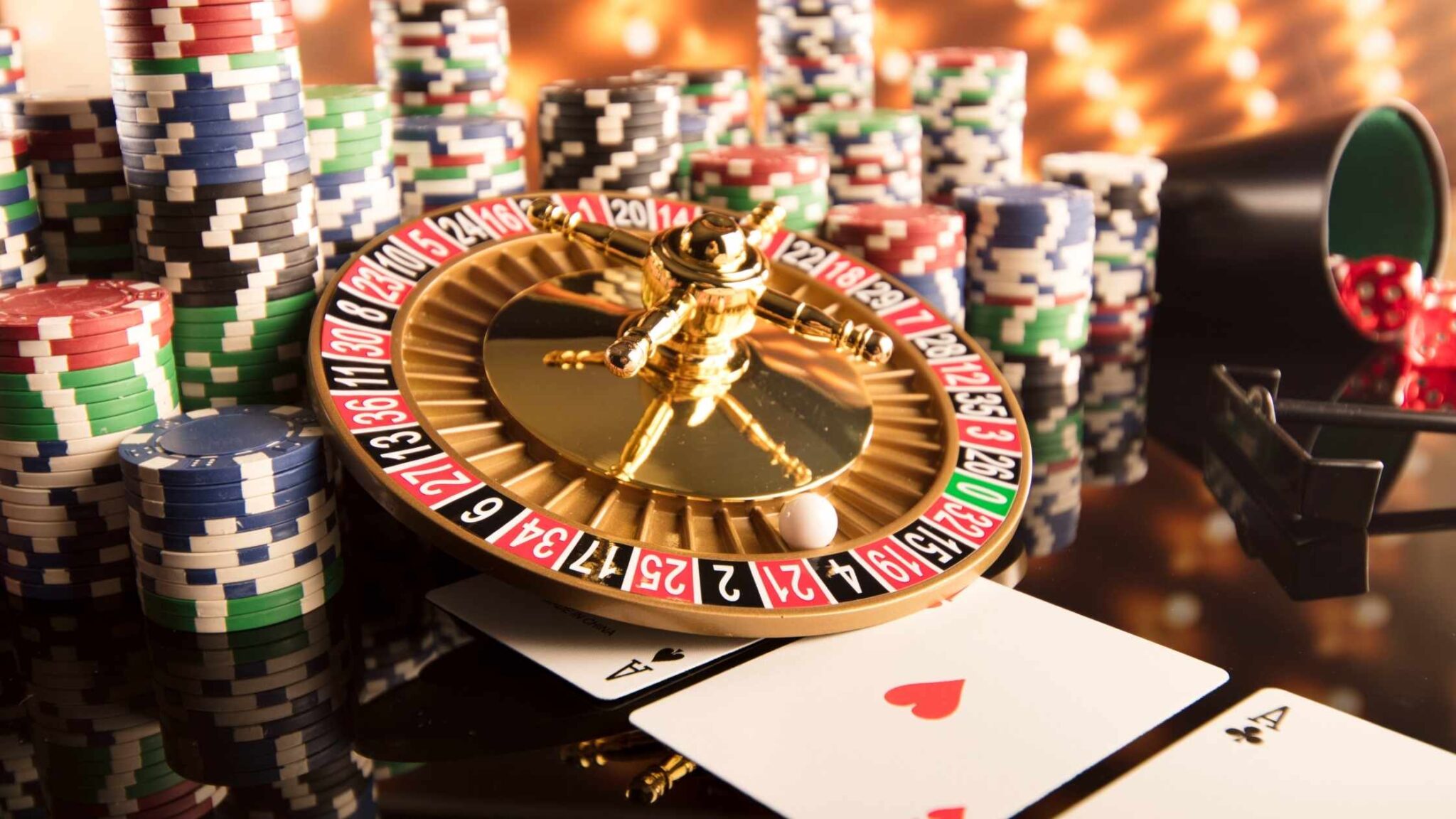
Understanding the psychological landscape of gambling is key to appreciating why players engage. Concepts like the “near miss” phenomenon, where a close outcome to a win can encourage further play, play a significant role. Furthermore, the intermittent reinforcement schedule inherent in casino games mimics addictive patterns, making it difficult for players to disengage even when facing unfavorable odds.
Cognitive Biases in Gambling Behavior
Several cognitive biases significantly impact how players interact with casino games. The illusion of control, for instance, leads individuals to believe they can influence random outcomes through skill or superstition. This is particularly evident in games of chance, where rituals or specific betting patterns are adopted in an attempt to gain an edge.
Another prevalent bias is the availability heuristic, where players overestimate the likelihood of winning based on vivid, memorable instances of jackpots or big wins they’ve heard about or witnessed. This selective recall overshadows the statistical reality of most players’ experiences, fueling the belief that favorable odds are more attainable than they statistically are.
Emotional Drivers and Risk-Taking
The emotional state of a player can profoundly affect their willingness to take risks and their perception of odds. Excitement, anticipation, and the thrill of the game can create a heightened emotional state that overrides rational decision-making. This emotional arousal can lead to increased risk-taking, as the potential for a significant win becomes more enticing.
Conversely, negative emotions like frustration or the desire to “chase losses” can also drive players towards unfavorable odds. The psychological pressure to recoup losses can lead to impulsive decisions and larger bets, further exacerbating the situation and moving away from any hope of favorable outcomes.
The Role of Game Design in Shaping Perceptions
Casino game designers are acutely aware of these psychological principles and incorporate them into their products. Slot machines, for example, are designed with flashing lights, captivating sounds, and near-misses to create an immersive and emotionally engaging experience. These elements are crafted to keep players playing longer, irrespective of the actual odds.
The visual presentation of odds and potential payouts also plays a crucial role. When potential winnings are displayed prominently and losses are less emphasized, it can create a skewed perception of the game’s fairness and the player’s chances. This careful design aims to foster a sense of optimism and encourage continued engagement.
Richy Leo Casino: An Overview of Player Experience
Richy Leo Casino aims to provide an engaging platform for players seeking entertainment. While the core mechanics of casino games involve inherent odds, the platform’s design and offerings are structured to enhance the player experience. This includes a variety of game types, from popular slot titles to classic table games, each with their own statistical probabilities.
Understanding the psychological elements at play is important for any visitor to Richy Leo Casino. Players should approach the games with a clear understanding of the odds involved, managing their expectations and playing responsibly. The platform, like any other in the industry, presents opportunities for entertainment, but responsible engagement with the inherent probabilities of casino gaming is paramount.